

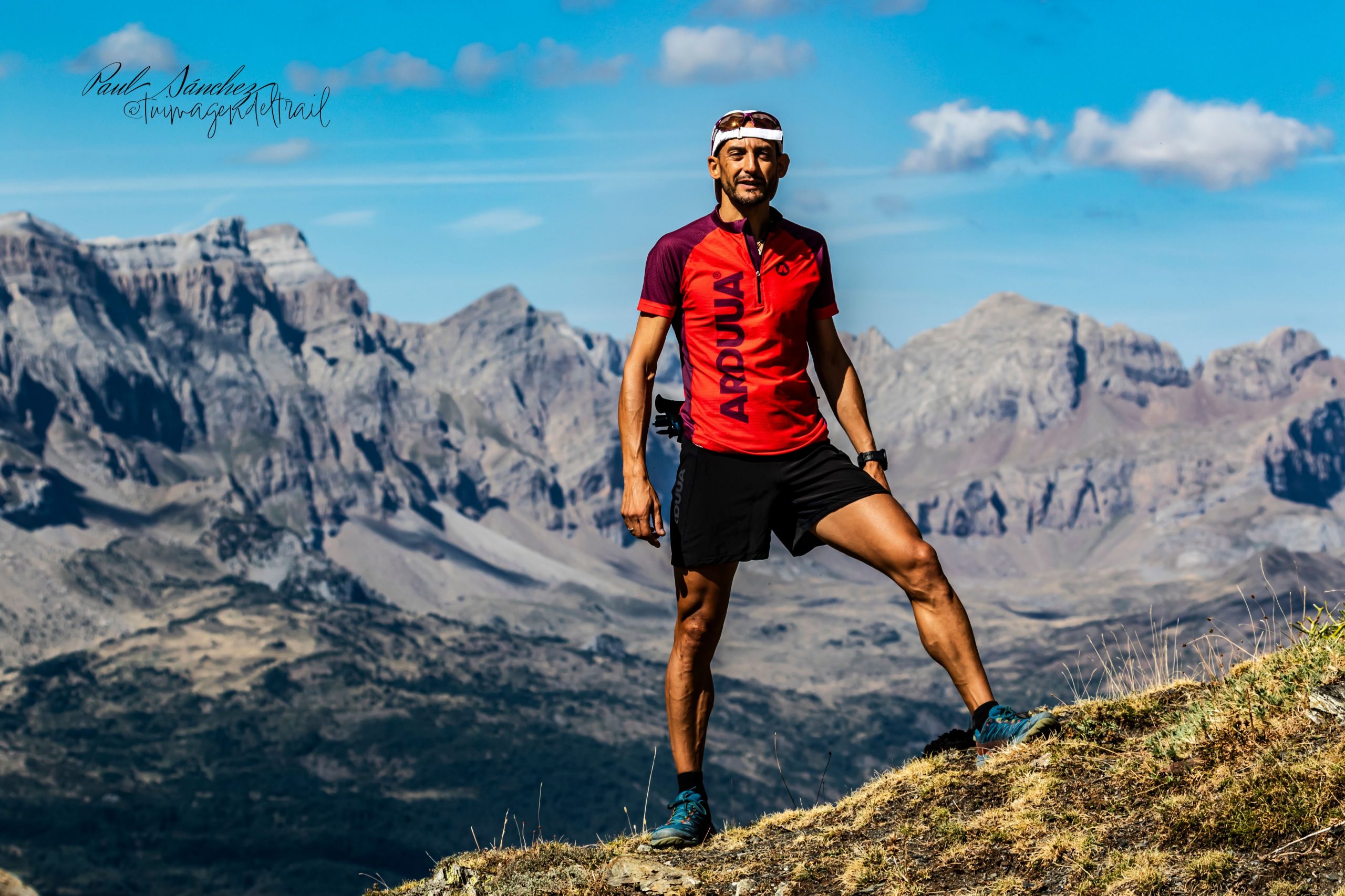
Arduua Webinar Recap – Yearly Plan & Different Phases of Training
Yesterday, Arduua hosted its second Online Education Session with 17 participants, focused on yearly training structure and long-term performance development for trail and ultra running.
The webinar was primarily led by David Garcia, Head Coach at Arduua, who held the majority of the session and delivered the in-depth technical content. With his extensive experience in endurance coaching and training periodization, David guided participants through the principles of yearly planning, race prioritisation, and the different phases of training with a strong physiological foundation.
Katinka Nyberg, CEO & Founder of Arduua, hosted and organised the session, welcoming participants, moderating the discussion, and supporting the Q&A.
Following feedback from the previous webinar, this session was designed to be more interactive, with open microphones and active participation throughout.

Why a Yearly Plan Matters
David began by explaining the fundamental purpose of a yearly plan:
to structure training according to physiological objectives, allowing enough time for assimilation and adaptation while minimizing injury risk and performance plateaus Yearly Plan & Different Phases ….
Training should never be random. Instead, the season is divided into distinct phases, each targeting specific physiological systems in a logical order. This approach ensures that athletes peak at the right time and avoid overload.
Main Goals: A, B & C Races
A core principle of Arduua’s coaching philosophy is building the season around clearly defined goals, ranked by importance Yearly Plan & Different Phases ….
A Races
- The main objectives of the season
- The entire yearly plan is structured around these dates
- Typically 2–3 long-distance races per year
- For ultra races, at least 3 months between A races
- Multiple A races in short-race circuits require a lower but longer fitness peak
B Races
- Secondary goals
- Used to test pacing, nutrition, equipment, and race strategies
- Similar in distance and terrain to the A race
- Minimal tapering and reduced training load beforehand
- Always followed by a recovery period
- Can be used as progressive loading toward the A race
C Races
- No impact on the yearly plan
- No taper or special preparation
- Integrated directly into training
- Can function as high-intensity training sessions
This hierarchy allows athletes to race often without compromising long-term performance.
Setting Training Goals with CTL
David then introduced CTL (Chronic Training Load) as a tool to quantify long-term fitness. He presented recommended CTL ranges by race distance, emphasizing that these values are guidelines, not strict targets, and must be individualized Yearly Plan & Different Phases ….
Examples:
- Short trail (10–15 km): ~30–50 CTL (amateur)
- Marathon trail (35–50 km): ~50–70 CTL
- Ultra trail (80–120 km): ~70–85 CTL
- Long ultra (>120 km): ~80–95 CTL
Katinka highlighted an important practical detail: athletes who log all activities (running, strength training, cross-training) may show higher CTL values than those who only record running sessions. This underlines the importance of consistent and accurate training data.
How Arduua Structures Training
All planning is based on A goals, with the season divided into phases that allow athletes to:
- Structure volume and intensity
- Reduce injury risk
- Avoid overtraining and performance stagnation
- Develop physiological systems in the correct order
- Peak on race day Yearly Plan & Different Phases …
A guiding principle throughout the season is progression from general to specific:
- Volume
- Intensity
- Elevation
- Technicality
This becomes especially critical during the pre-competitive period for long-distance races.
The Five Phases of Training
Base Period (2–5 months)
Goals
- Improve overall physical condition
- Address weaknesses in mobility and strength
- Enhance body composition through training and nutrition
- Build general foundational strength
- Strengthen foot and ankle structures
- Build durability before introducing higher intensity
Training Focus
- Aerobic development
- Strength foundation (gym + running-specific strength)
- Mobility and stability work
- Gradual volume increase
Predominant Training Model
- High Volume – Low Intensity (HVLIT)
- Mostly basic aerobic training
- Some medium- and occasional high-intensity sessions
Specific Period (4–8 weeks)
Goals
- Develop key physiological limiting factors:
- Aerobic threshold
- Anaerobic threshold
- VO₂ max
- Adapt training volume to athlete history and race demands
- Maximize lower-body, core, and running-specific strength
- Begin targeting race-relevant intensities
Training Focus
- Threshold sessions
- VO₂ max development
- Race-oriented hill and tempo work
- Plyometrics and running-specific strength
Predominant Training Model
(Depends on the A-race)
- Polarized (80/20)
- ~80% low-intensity aerobic work
- ~20% high-intensity training
- Very little moderate intensity
or
- Pyramidal
- Mostly aerobic training
- More moderate-intensity work
- Some high-intensity sessions
Pre-Competitive Period (4–6 weeks, up to 8)
Goals
- Work on the most specific aspects of the A-race
- Train at competition intensity and pacing
- Develop fatigue resistance (durability)
- Prepare for real race conditions
Training Focus
- Race-pace and race-intensity sessions
- Terrain-specific training (trail, vertical, technical, road)
- Nutrition and fueling practice
- Equipment testing (shoes, poles, pack, lights)
- Strength maintenance and plyometric exercises
- Race-condition simulations (night running, technical terrain, etc.)
Training Focus by Race Distance
- Short distances (VK–20 km):
High intensity and speed (VO₂ max, above/below anaerobic threshold) - Medium distances (30–40 km):
On and slightly below anaerobic threshold - Long distances (40–60 km):
Slightly below anaerobic threshold to aerobic threshold
Focus on repetitive effort tolerance - Very long distances (60–100 km):
Efficiency at aerobic threshold (running and walking)
Strong focus on fatigue resistance - Very, very long distances (>100 km):
Efficiency at and below aerobic threshold
Mostly walking, extreme durability focus
Predominant Training Model
(Depends on race distance and available time)
- Short distances:
- Pyramidal
- Polarized
- Inverse Polarized
- Medium distances (30–40 km):
- Pyramidal
- Modified Polarized
- Long & ultra distances (40 km+):
- High Volume – Low Intensity (HVLI)
Taper Period (1–2 weeks)
Goals
- Focus on joint and muscle recovery
- Maintain current fitness levels
- Arrive mentally fresh and confident
- Apply nutrition and fueling strategy for race day
Training Focus
- Reduced volume
- Maintained intensity (short, sharp sessions)
- Technical and mental preparation
- Pre- and post-race nutrition planning
Predominant Training Model
- Polarized or Modified Polarized
- Mostly aerobic training
- Some moderate intensity
- Enough high intensity to maintain sharpness
This phase is essential for long-term consistency and motivation.
Transition Phase (2-3) weeks
Goals
- Rest both body and mind
- Disconnect from routine and structured training
- Support long-term recovery and adaptation
Training Focus
- Easy, restorative movement (easy running, cycling, walking)
- Other sports and activities not possible during the season
- Nutrition focused on repair and recovery
- Gradual mental reset before the next cycle
Predominant Training Model
- Unstructured
- Low intensity
- Enjoyment-focused
Result
With clear goals and training focus in each phase, the athlete:
- Trains with purpose
- Avoids overloading and burnout
- Develops physiology in the correct order
- Peaks exactly when it matters most
Q&A Highlights and Practical Advice
During the interactive Q&A, several practical topics were discussed:
- Missed sessions can be rescheduled, but two hard sessions should never be placed back-to-back
- Training plans typically follow three progressive weeks followed by one recovery week
- B races should be scheduled far enough from A races to allow recovery
- “Beginner” ultra plans still assume prior experience at shorter distances
- Athletes should always adjust training based on how the body responds, especially after races
Closing & Next Steps
Katinka closed the session by thanking participants and inviting feedback for future webinar topics. David confirmed that the presentation slides would be shared with attendees.
This webinar reinforced the importance of structured planning, patience, and individualization in trail and ultra running—and highlighted once again the strength of the Arduua community when athletes learn and grow together.
/Katinka Nyberg, Arduua, katinka.nyberg@arduua.com
