

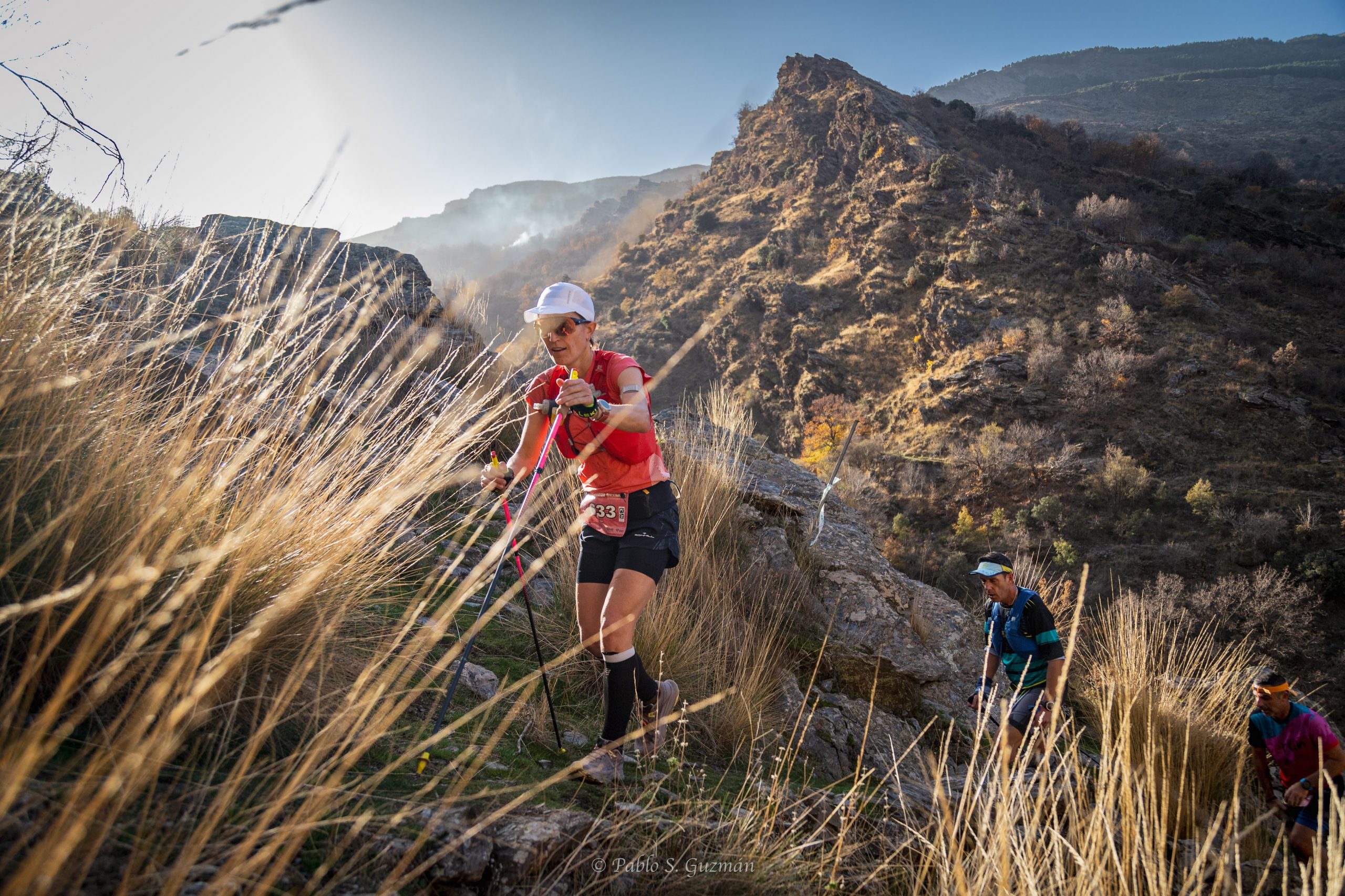
Ana Flasker: Consistency Over Perfection
On curiosity, smart training, and learning to perform even when the season isn’t perfect.
Ana Flašker has been part of the Arduua community for several years, training with Arduua Coach David Garcia. Known for her consistency and calm approach to racing, Ana’s recent season looked strong from the outside — but as she explains, it was far from perfect.
“Having structure and someone behind your goals makes a huge difference. Sometimes it’s about pushing, sometimes it’s about stopping and resting — and learning to trust that.”
— Ana Flasker, Team Arduua
When we sat down to talk, Ana was quick to challenge the “breakthrough season” narrative.
“I wouldn’t call it a breakthrough season, but it was a good season… I learned that things don’t need to go perfect to do well.”
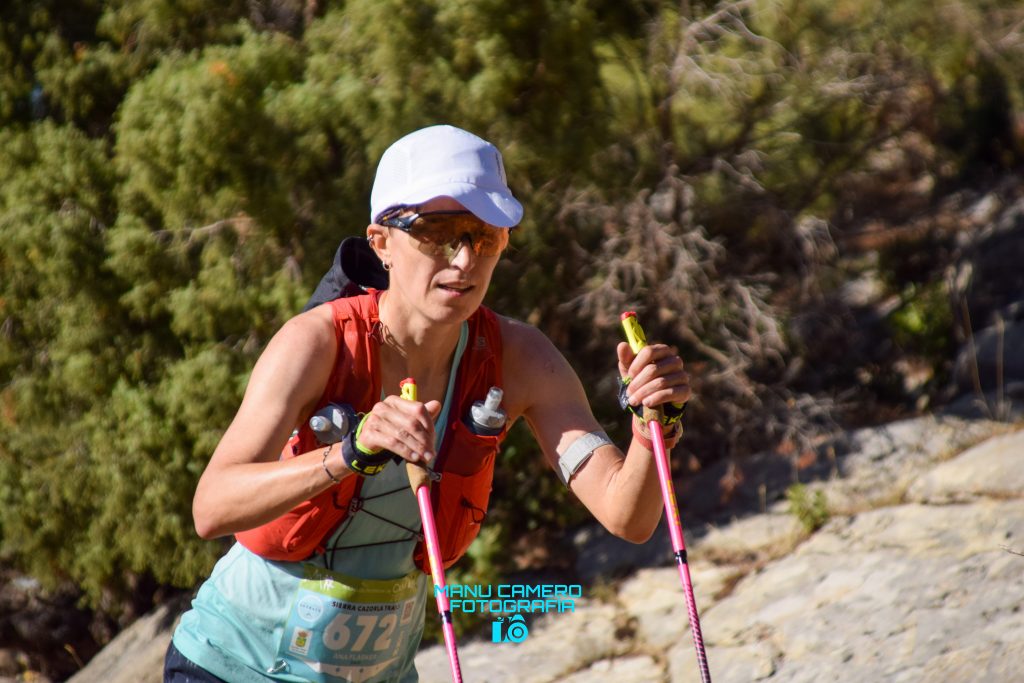
Who is Ana (beyond races and results)?
Ana has been living in Spain for more than ten years and is currently based on the Costa Tropical. Outside training, she works in IT as a UX and accessibility specialist — a job with “quite some screen time,” as she puts it — and balances it with life outdoors.
“I balance it off being outdoor, crocheting things and kitesurfing on windy days.”
Sport has always been part of her life. She grew up in a family where movement was the default: hiking, cycling, cross-country skiing — and later volleyball, track & field, and adventure racing. That wide background shows in how she trains today: consistent, varied, and resilient.
How her trail running journey began
Ana has always loved nature and running, and for a long time she ran simply “for herself” — no watch, no metrics, no pressure.
The shift happened when she moved to Gran Canaria.
“When I moved to Gran Canaria I got into it more seriously… I like to discover new places and trails and I’m pretty much hooked into the maps and looking for the trails (and roads) I haven’t passed yet.”
That curiosity is still one of her biggest drivers: exploring, collecting trails, and building fitness almost as a byproduct of adventure.
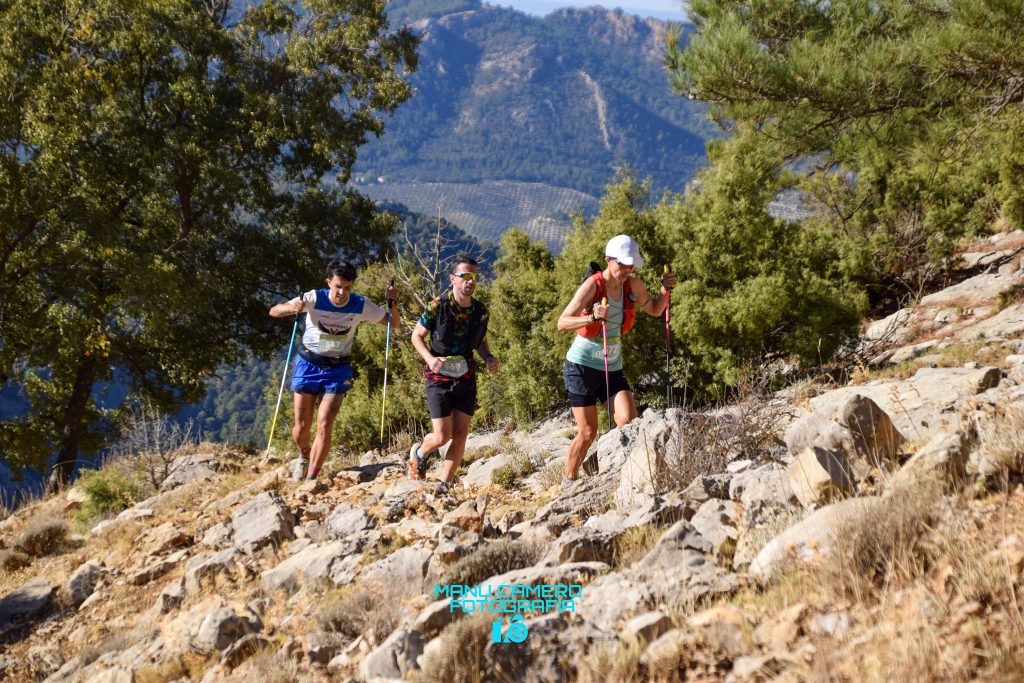
A “good season” — with more obstacles than it looked like
From the outside, Ana’s season looked smooth: strong races, great consistency, podium finishes.
From the inside, it was anything but smooth.
“Well, I think nobody lives in a perfect world.”
She explains that she’s had good races in previous years too — but last year taught her something new: you don’t need perfect conditions to perform well.
“I have learned a lot of new things; also that things don’t need to go perfect to do well.”
Interestingly, the last part of the season was the most enjoyable and the most successful — partly because she eased the pressure, raced more for fun, and stayed flexible. She also mixed in some road cycling races, but with one condition:
“I only opt-in for climbs, as I still like to be a turtle on the downhill.”
The bumps along the way: surgery, stomach issues, and adapting plans
When asked about setbacks, Ana just laughs:
“Ufff.”
The season started with a small surgery right before Christmas, followed by a mandatory three-week rest. That left her with only around six weeks (including taper) to prepare for an 84K race with 4000+ meters of elevation at the end of February.
And yet:
“The race actually went surprisingly well.”
The second long race was a different story. Training had been going great. She was excited. But on race day she knew immediately something was off.
“It was not my first ultra and I know my body quite well, so you know when something is off.”
She pushed on anyway — because a DNF simply wasn’t part of her mindset that day — but the stomach issues got worse and worse (and the day was extremely hot). Later, she tested positive for H. pylori, and recovery took months.
“It took a few of months to recover my stomach (and cancel extended summer).”
That also affected the final long race of the season, forcing a last-minute distance downgrade because she didn’t trust her stomach to handle more than around three hours of race fueling.
This experience sent her into a deep dive on nutrition — not only for racing, but day-to-day health as well.
Her mindset through all of it stayed remarkably clear:
“My moto is always to focus on the things you can do, and not to get stuck thinking about what you can’t.”
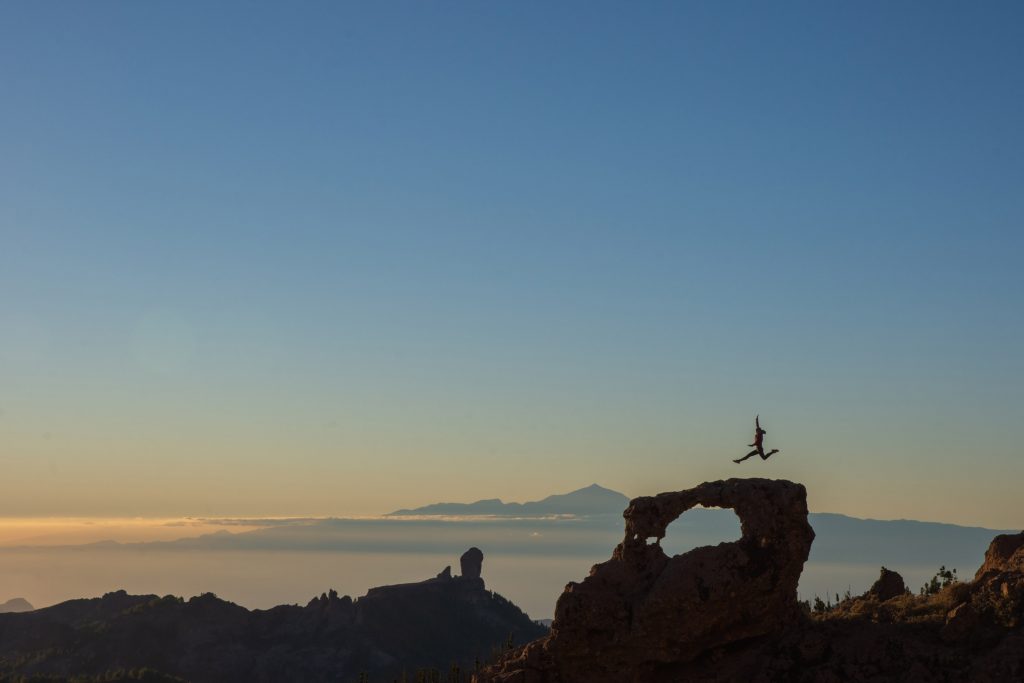
Long-term progression: structure beats “more”
When we talk about how she has evolved as a trail runner, Ana keeps coming back to one word: structure.
She doesn’t frame it as a dramatic mindset transformation. For her, progress was more about building a routine and using structure to build toward a goal.
“I got used to the routine and a mix of specific areas for speed, endurance and fun… when it comes to endurance races, consistency is the key.”
And this is a point many runners need to hear:
“For me… it was more about adding structure to build up towards the end goal.”
Not necessarily more training. Not necessarily more intensity. Just the right structure, repeated consistently.
What training looks like for Ana (real life, not perfection)
Ana’s weekly routine is consistent and realistic:
- She does something almost every day, with one rest day.
- Usually two bike days, reduced to one closer to key races as run volume increases.
- 1–2 strength sessions per week.
- The rest is running.
“I think there is no that much secrets about long races. You definitely need to put some hours in… better if running, but I have done it also with one run a week and the rest cross-training.”
She also highlights something that matters more than most people admit: lifestyle flexibility.
“I’m quite lucky to have flexible work schedule so I can go out during the ‘best’ part of the day…”
Mid-day in winter, sunrise in summer — training at the time that supports well-being, not stress.
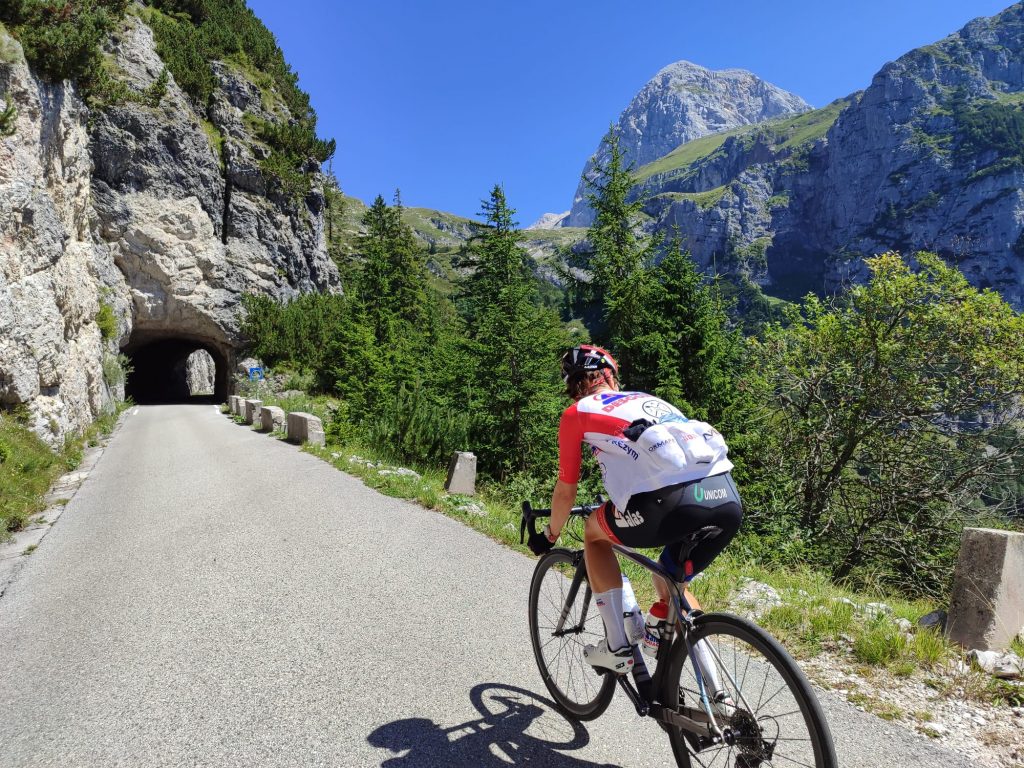
Training with Arduua & Coach David Garcia: trust, collaboration, and (sometimes) resting
Ana has trained with Arduua and Coach David Garcia for several years. She describes the relationship as something that needed time to settle — especially the trust part.
“In the beginning, it took some time for me to adjust and build the trust.”
But that’s also what makes it work now.
“It’s good to have a person behind your running goals and make you stop and rest sometimes or put focus on different things.”
She’s honest about the hardest part:
“I still find it difficult to hear ‘take a week off’…”
But she also acknowledges the truth that experienced runners learn the hard way:
“…but when looking back I know it was needed.”
The word she uses that matters most is collaboration.
“He is really involved into my training. I think we collaborate really well.”
Looking ahead to 2026: longer distances and new lessons
Ana is stepping into a slightly longer distance focus this year — 100K+.
“I’ll try a bit longer distance this year (100k +), so let’s see how it goes.”
Her season starts early with Transgrancanaria in March, followed by La Restonica in July. The second half of the year is still open.
In terms of training changes, she’s not chasing novelty for the sake of novelty:
“Probably not much changes, unless David comes up with something new or an experiment 🙂 haha.”
They’ve found a balance that works — across sports, load, and recovery — and the plan is to keep learning race by race:
“You learn something on every race and try to see what has worked or not, or what has been missing so we can incorporate that into new block.”
Advice to other runners: consistency, strength work, and enjoying the process
Ana’s advice is simple — and strong.
“To improve and become faster you’ll have to put some work in. Being consistent and maybe sometimes going to gym is mostly the way. And very important, to enjoy the process.”
She also shares a lesson she wishes she had accepted earlier: that coaching and structure doesn’t automatically mean “more” or “harder.”
“I was very hesitant to get a coach or a training plan… I likely can’t run more than I did and neither want to be more tired.”
Now she sees it differently:
“More km doesn’t always mean better output.”
And she finishes with one of the most “Ana” lines in the interview — equal parts freedom and discipline:
“I’m also very happy for no hamster loops, and it’s not a big deal if 3h turn into 4h on a nice day.”
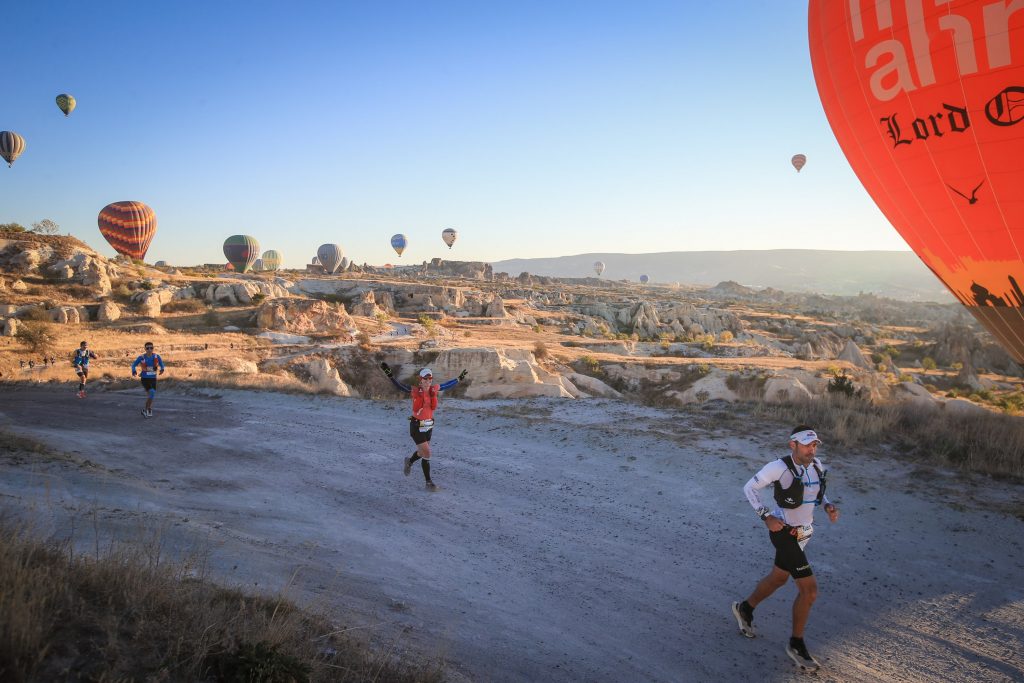
Thank you, Ana
Ana’s story is a reminder that strong seasons aren’t always the smooth seasons — and that the real skill isn’t avoiding setbacks, but adapting through them with structure, consistency, and a mindset that stays focused on what’s possible.
We’re excited to follow Ana’s 2026 season with Coach David Garcia — from Transgrancanaria to La Restonica and whatever adventures come next.
Final words
Ana’s story is a reminder that progress in trail running rarely comes from perfect seasons or flawless preparation. It comes from consistency, curiosity, and the ability to adapt when things don’t go as planned — trusting the process even when the path gets a little messy.
As she looks ahead to longer distances and new challenges, one thing is clear: Ana’s strength lies not only in her physical capacity, but in her calm, reflective approach to training and racing. Learning from each block, each race, and each setback — and carrying those lessons forward.
We’re excited to follow Ana’s journey into the next season together with Coach David Garcia, and to see where her curiosity and consistency will take her next.
If you’re reading this and recognize parts of your own journey — questions around structure, balance, recovery, or long-term progression — you don’t have to figure it all out alone. With the right guidance, planning, and support, it’s possible to train smarter, stay healthy, and enjoy the process along the way.
If you’d like to learn more about Arduua Coaching or need help finding the right structure for your own trail running goals, feel free to reach out to us — we’re happy to help.
/Interview by Katinka Nyberg, CEO & Founder of Arduua, katinka.nyberg@arduua.com