

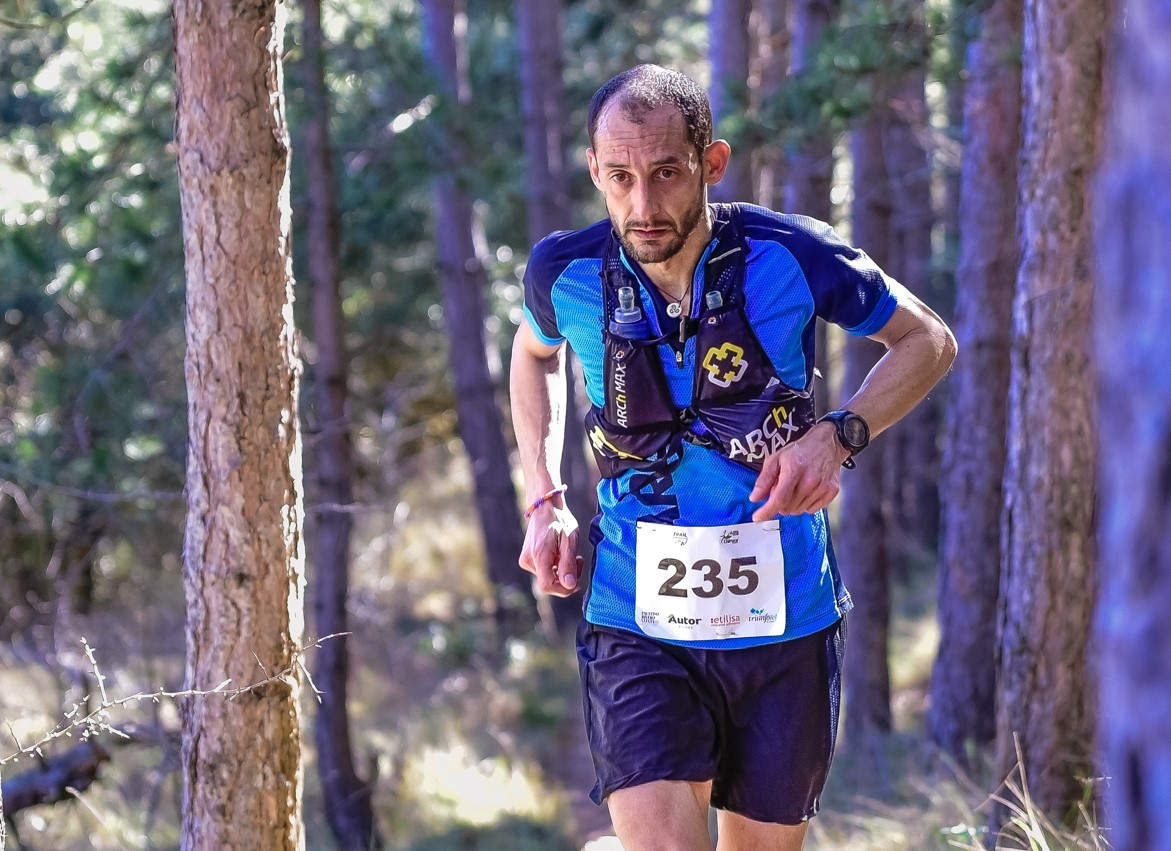
The Pre-Competitive Phase: Where Ultra Trail Runners Build Race Readiness
For ultra runners, this often means increasing training volume and time on feet to the highest levels of the season.
You’ve built the body.
You’ve built performance.
Now it’s time to prepare for the race itself.
At Arduua, we call this phase:
👉 Build Race Readiness
This is where training becomes highly specific to the demands of your goal race.
The base and the performance are already there.
Now the focus shifts toward learning how to use it under race conditions.
For many ultra trail runners, this is the phase they have been waiting for all year. 😊
After months spent building the body during the Base Phase and developing performance during the Specific Phase, it’s finally time to start preparing for the real challenge ahead.
This is where training begins to look and feel like the race itself.
For ultra runners, this often means increasing training volume and time on feet to the highest levels of the season. Long mountain days, back-to-back sessions, race simulations, nutrition practice, and terrain-specific training become key elements of the process.
While the previous phases focused on building fitness and performance, the Pre-Competitive Phase focuses on transforming that fitness into race readiness.
This is where everything starts coming together.
Training Phases Through the Year (Big Picture)
1️⃣ Base Phase – Build the body
2️⃣ Specific Phase – Build performance
3️⃣ Pre-Competitive Phase – Build race readiness
4️⃣ Taper & Competition – Absorb training & peak
5️⃣ Transition Phase – Recover & reset
This article focuses on Phase 3 — where fitness is transformed into race execution.
🎯 Primary Goals of the Pre-Competitive Phase
According to Arduua coaching methodology, this phase is designed to:
- Increase race-specific volume and time on feet
- Train competition intensity and pacing
- Prepare for race-specific terrain and conditions
- Practice race nutrition and hydration strategies
- Test equipment and race logistics
- Maintain strength and power capacities
- Develop confidence for race day
In simple terms:
👉 You move from building performance → to practicing performance.
What Makes This Phase Different?
1. Training Becomes Race Specific
This is the biggest shift.
Instead of training general trail running abilities, sessions now begin to resemble the actual race.
Examples:
- Long climbs similar to race gradients
- Technical descents matching race terrain
- Back-to-back long runs
- Specific race pace efforts
- Race simulation workouts
The goal is simple:
The less surprised you are on race day, the better you perform.
Professional endurance coaches often refer to this as specificity.
At Arduua, specificity becomes the primary driver of training during this phase.
2. Volume Reaches Its Peak
For many ultra runners, this is the phase with the highest training volume of the season.
The objective is not simply to train more.
The objective is to increase your ability to perform for extended periods under conditions that resemble your race.
This may include:
- Longer long runs
- Back-to-back training days
- Increased elevation gain
- More time on feet
- Extended mountain outings
These sessions build confidence and teach your body how to handle the demands of race day.
Volume should always be increased intelligently and according to the athlete’s background, experience, and recovery capacity.
More is not always better.
Better is better.
3. Nutrition Becomes Part of Training
Many runners train their legs.
Few train their stomach.
For ultras, nutrition is often the difference between success and failure.
During this phase we practice:
- Carbohydrate intake targets
- Hydration strategies
- Electrolyte replacement
- Aid station routines
- Food choices under fatigue
Nothing new should be introduced on race day.
If your nutrition strategy isn’t tested in training, it’s not a strategy.
It’s a gamble.
4. Equipment Testing Is Essential
One of the biggest mistakes runners make is leaving equipment decisions until race week.
During the pre-competitive phase we test:
- Shoes
- Socks
- Packs and vests
- Poles
- Headlamps
- Clothing systems
- Anti-chafing solutions
Every detail matters when you plan to spend 5, 10, 20, 30 hours, or more in the mountains.
The goal:
Arrive at the start line with complete confidence in your equipment.
5. Strength Training Is Maintained
This is not the time to build strength.
It’s the time to maintain it.
The hard work has already been done during the Base and Specific phases.
Now we focus on:
- Maintaining max strength
- Maintaining mobility
- Maintaining injury resilience
- Preserving power through plyometric exercises
Examples:
- Box jumps
- Jump squats
- Bounding
- Single-leg hops
The objective is to stay powerful without creating unnecessary fatigue.
6. Race Condition Training
One of the most important aspects of this phase is exposing yourself to conditions similar to race day.
Examples:
🌙 Night running
⛰️ Technical terrain
🌧️ Bad weather
🥵 Heat adaptation
❄️ Cold exposure
🎒 Running with full race equipment
Confidence comes from familiarity.
When race day arrives, you should feel:
“I’ve done this before.”
Because you have.
Example Week – Pre-Competitive Phase
Intermediate Runner Preparing for a 100 km Mountain Ultra
This example represents a typical week approximately 4–6 weeks before race day.
The goal is no longer to build fitness from scratch, but to maximize race readiness through volume, terrain specificity, nutrition practice, and fatigue resistance.
Monday – Recovery + Plyometric Maintenance
🏃 Easy aerobic run 40–60 min
🏋️ Plyometric and single-leg stability work 20–30 min
Examples:
- Jump lunges
- Single-leg hops
- Bounding drills
- Balance exercises
🎯 Focus: Recovery while maintaining power and coordination.
Tuesday – Threshold Session
🏃 80–90 min total
Example:
- Warm-up
- 2 × 22 min threshold effort
- Recovery between intervals
- Cool-down
🎯 Focus:
- Sustainable climbing intensity
- Aerobic power
- Running economy
Wednesday – Strength Maintenance
🏋️ 45–60 min strength session
Examples:
- Back Squat
- Deadlift
- Hip Thrust
- Core work
Volume is reduced compared to the Specific Phase.
The goal is to maintain strength, not create fatigue.
🎯 Focus: Preserve strength and injury resilience.
Thursday – Easy Aerobic Run
🏃 60 min easy trail run
Optional:
- Mobility
- Stretching
- Recovery work
🎯 Focus:
- Aerobic maintenance
- Recovery
- Movement quality
Friday – Rest Day
Complete recovery.
Focus on:
- Sleep
- Nutrition
- Hydration
🎯 Remember:
Adaptation happens during recovery.
Saturday – Race Simulation Long Run
🏃 4–5 hours mountain trail
Key components:
- Significant elevation gain
- Technical terrain if possible
- Race equipment
- Race shoes
- Race nutrition
Example:
- First 3 hours aerobic
- Final hour includes race-effort climbing blocks
Nutrition target:
- 60–90 g carbohydrates/hour
- Hydration according to race strategy
🎯 Focus:
- Fatigue resistance
- Nutrition practice
- Race pacing
- Equipment testing
This is often the most important session of the week.
Sunday – Back-to-Back Mountain Session
🏃 2–3 hours easy trail run or mountain hike
Focus:
- Elevation gain
- Time on feet
- Low intensity
This session teaches the body to move efficiently while carrying fatigue from the previous day.
🎯 Focus:
- Ultra-specific durability
- Muscular endurance
- Mental resilience
What Professional Coaches Agree On
Across ultra-running and endurance coaching there is strong agreement:
- Specificity drives confidence
- Nutrition must be practiced
- Equipment must be tested
- Strength should be maintained
- Recovery remains essential
Many runners mistakenly believe they need their biggest training weeks right before racing.
The opposite is often true.
The closer you get to race day, the more important quality becomes compared to quantity.
Common Mistakes in the Pre-Competitive Phase
❌ Constantly chasing fitness
❌ Testing new nutrition during races
❌ Changing shoes close to race day
❌ Ignoring recovery
❌ Too many hard sessions
❌ Neglecting strength maintenance
The result?
Unnecessary fatigue, poor race execution, and increased injury risk.
How This Phase Fits Into Your Season
The Pre-Competitive Phase typically lasts 6–8 weeks and bridges the gap between performance development and peak performance.
This is where:
➡️ Race plans are tested
➡️ Nutrition is rehearsed
➡️ Equipment is finalized
➡️ Confidence is built
If the Specific Phase built performance—
this phase teaches you how to execute it.
Final Thoughts
Fitness alone does not guarantee success in trail running.
The mountains reward preparation.
The runners who perform best are often not the fittest athletes on the start line.
They’re the athletes who have prepared most completely.
They know their pacing.
They trust their nutrition.
They trust their equipment.
They trust themselves.
Train specifically.
Practice everything.
Remove uncertainty.
And when race day arrives, you’ll be ready to perform.
How We Apply This at Arduua
The principles described above are not theory—they are the foundation of how we coach athletes preparing for races all over the world.
At Arduua, the Pre-Competitive Phase is highly individualized based on:
- Race distance
- Elevation gain
- Terrain technicality
- Athlete experience
- Personal strengths and weaknesses
Every session has a purpose.
Every detail matters.
Because race day is simply the expression of everything you’ve practiced beforehand.
If you’d like to learn more about our coaching philosophy and yearly training methodology, you can read more here:
→ How We Train at Arduua
Choosing the Right Level of Support
If you want:
A fully individualized race preparation plan tailored to your race and goals → Personal Coaching
Structured guidance and coach support throughout your season → Membership Plans
A ready-made training plan for your next challenge → Training Plans
Train · Race · Belong
The Base Phase built your body.
The Specific Phase built your performance.
The Pre-Competitive Phase prepares you to deliver it when it matters most.
You’re not just preparing for a race—
you’re preparing to become the runner capable of finishing it.
/Katinka Nyberg, Arduua Founder, katinka.nyberg@arduua.com